%2Ffit-in%2F250x250%2Fguide_websites%2F8072%2Fimages%2Fimageedit_11_6803644873.png&w=1920&q=100)
Grass Carp Fishing in Cumming GA - Charter with Tate
Grass Carp Fishing in Cumming GA - What to Expect
%2F%2Fusers%2F6d6a1cbf-a9f6-4759-99a1-f43e82af4626%2Fimages%2Fgrass-carp-fishing-cumming-georgia-2680.jpg&w=1920&q=75)
Fishing Charter by Captain Tate Watkins in April
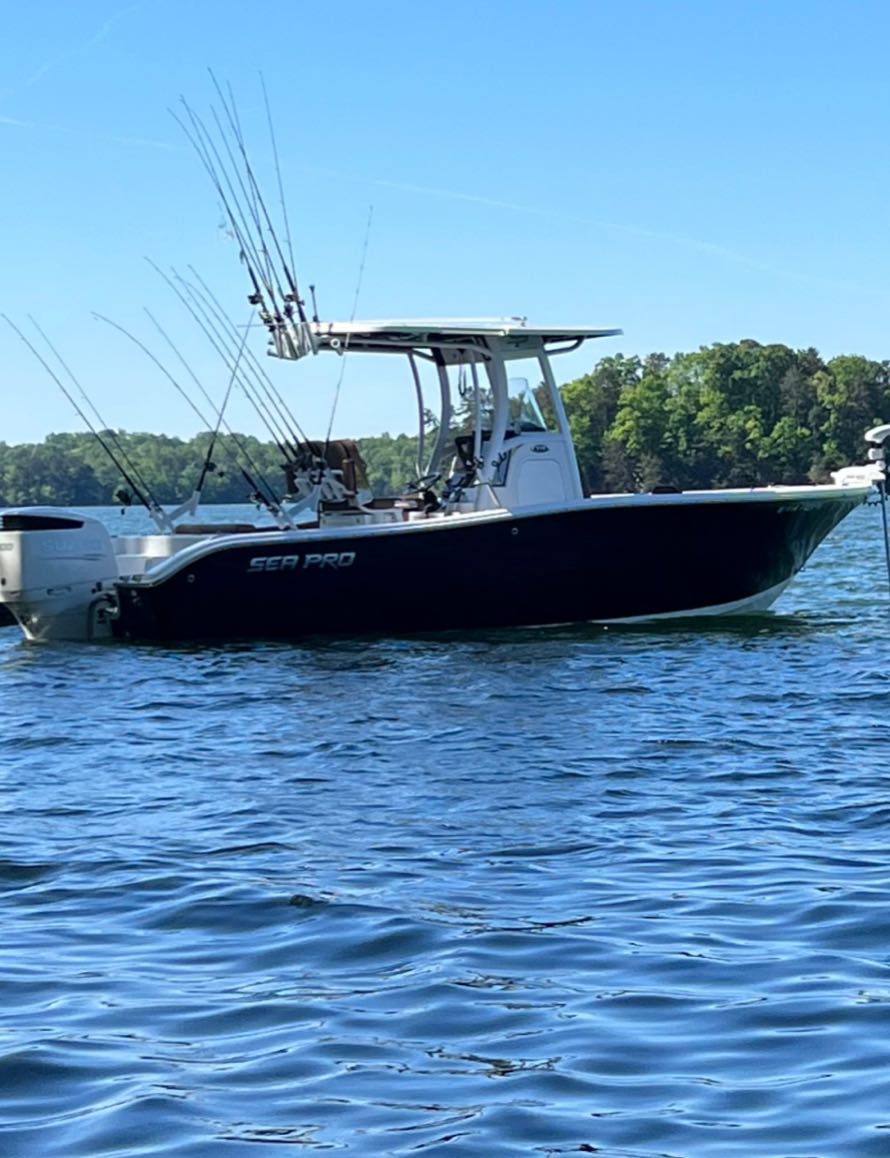
Meet your Captain Tate Watkins
- Book Your Next Georgia Fishing Experience with us!


Summary
Join Captain Tate Watkins of Tate's Fishing and Charter on Wednesday, April for an exciting fishing charter in Cumming, Georgia. This guided fishing experience targets grass carp and delivers the hands-on action you're looking for. Perfect for anglers seeking authentic local fishing expertise.
Fishing with Captain Tate Watkins - Rates & Booking
Captain Tate Watkins of Tate's Fishing and Charter was out on the water on Wednesday, April offering an exciting grass carp fishing charter in Cumming, Georgia. This fishing charter brings together local know-how and hands-on angling action that keeps everyone engaged from start to finish. Whether you're a seasoned angler or looking to try something different, Captain Tate tailors the experience to match your skill level and goals.
To book your fishing adventure or learn more about available dates and rates, contact Tate's Fishing and Charter directly. Captain Tate works with groups looking for an authentic, personalized fishing experience in the Cumming area, and he's equipped to make your day on the water memorable.
Highlights of Your Grass Carp Fishing Charter
This fishing charter showcases what makes Cumming, Georgia a solid destination for anglers. The combination of local waterways and Captain Tate's expertise creates the perfect setup for connecting with grass carp and other species. You'll spend your day doing what you came for - fishing - with someone who knows the water, the patterns, and the best techniques to get results.
The social aspect is a big part of the experience too. Whether you're fishing with friends, family, or other anglers, there's something special about working together to land fish and sharing the excitement of a successful day on the water.
Local Species Insights: Grass Carp
Grass carp are a fascinating target for anglers in Georgia. These powerful fish are known for their size, strength, and fighting ability when hooked. They prefer vegetation-rich waters and tend to feed actively in shallower areas where they can access aquatic plants. In the Cumming area, grass carp thrive in local waterways that offer the habitat they prefer.
What makes grass carp fishing rewarding is the challenge they present. They're intelligent, selective feeders that require patience and proper technique to catch consistently. Captain Tate understands their behavior and habits, which translates into better opportunities for your group to land impressive fish. The excitement builds as you work to hook into one of these strong, determined fish - it's the kind of action that keeps anglers coming back.
These fish respond well to specific baiting and presentation strategies that Captain Tate has refined through years of local fishing experience. Whether using natural baits or other proven methods, the goal is to put your line in front of active fish and execute when the opportunity comes.
Plan Your Fishing Day
When you book a fishing charter with Captain Tate, you're joining a guided experience designed around maximizing your time on the water. The charter focuses on active fishing in areas where grass carp and other species are most likely to be found. You'll be in good hands with a guide who understands local conditions, seasonal patterns, and proven techniques.
Comfort and safety matter on the water, and Captain Tate structures the experience with both in mind. You'll have the gear and guidance needed to fish effectively, along with the flexibility to spend your time pursuing the fish that interest you most. It's a straightforward, action-focused approach to fishing in Cumming that delivers results.
Fishing in Georgia: Grass Carp
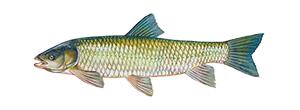
Grass Carp Overview
The Grass Carp (Ctenopharyngodon idella), commonly called white amur or silver orf, is a remarkable freshwater fish belonging to the family Cyprinidae and order Cypriniformes. This herbivorous giant is instantly recognizable by its large, silvery overlapping scales with dark edges, plump elongated body, and distinctive olive-green to grey coloring that fades to a white belly. Originally native to Asia—ranging from northern Vietnam to the Amur River along the Siberia-China border—the Grass Carp arrived in United States waters during the early 1960s as a biological control agent for invasive aquatic plants. Since its introduction, it has spread across the nation and become one of the most exciting and challenging targets for both recreational and competitive anglers, earning respect for its impressive size and fierce fighting ability when hooked.
What makes this species particularly special is its dual reputation: it's celebrated for its role in managing aquatic vegetation while simultaneously revered as a trophy fish that demands skill, patience, and determination to land. Whether you're a seasoned angler or a curious outdoor enthusiast, encountering a Grass Carp represents an unforgettable moment on the water.
Grass Carp Habitat and Distribution
Grass Carp thrive in large, slow-flowing or standing water bodies with abundant aquatic vegetation. These fish prefer lakes, ponds, pools, and river backwaters where they can forage freely on their preferred plants. They've demonstrated remarkable adaptability to various freshwater environments and can even tolerate brackish waters, making them successful colonizers across North America. Since their introduction in the 1960s, they've successfully established populations in nearly every state except Alaska, Maine, Montana, Rhode Island, and Vermont—a testament to their resilience and ecological flexibility.
The species shows a strong preference for water bodies with dense aquatic plant growth, particularly American waterweed and thin-leaved pondweeds. During winter, while they remain in their habitats, they become largely dormant, settling into deeper water and reducing their feeding activity. This seasonal behavior pattern is crucial for understanding where and when you're most likely to encounter them during warmer months when they're actively foraging and feeding.
Grass Carp Size and Weight
Grass Carp are impressive fish by any standard, with typical specimens in their natural habitat reaching between 65 to 80 pounds. However, the factual range for sport-caught fish typically spans from 40 pounds at the lower end to 97 pounds, with lengths ranging from approximately 16 inches for younger or smaller specimens up to 59 inches for mature adults. The world record holder—a remarkable 89-pound behemoth measuring nearly 5 feet long—was caught by angler Sandor Szeles in Hungary's Danube River back in 1993, setting a benchmark that still captures imaginations today.
While these are the documented ranges from regular angling activities, it's worth noting that unverified reports have occasionally surfaced of 400-pound specimens, though such claims remain highly questionable. What's certain is that landing even a 70 to 80-pound Grass Carp represents a significant achievement, as these fish combine substantial weight with powerful muscles and an extraordinarily combative spirit once hooked.
Grass Carp Diet and Behavior
As dedicated herbivores, adult Grass Carp spend much of their day grazing on aquatic vegetation, consuming enormous quantities of plants—sometimes up to their own body weight in plant material annually. Interestingly, juvenile fish are omnivorous, gradually transitioning to a strict vegetarian diet as they mature. While they're classified as herbivores, they display surprisingly refined tastes: they prefer American waterweed and thin-leaved pondweeds but show particular interest in cherry tomatoes, watermelon, and even fresh-cut grass, making them somewhat predictable targets if you understand their dietary quirks.
Their behavior is characterized by a unique combination of cautious wariness and sudden aggressive energy. Grass Carp are easily spooked by sudden movements, loud noises, and shadows—requiring patient, silent approaches from anglers. However, once they commit to feeding or react to bait, they can dart away with surprising speed despite not being known as fast swimmers. Their most famous behavioral trait is their explosive aerial displays when hooked; these fish are renowned for going completely airborne, sometimes multiple times during a fight, which is why experienced anglers and fish farmers often wear protective gear including masks and pads when handling them.
Grass Carp Spawning and Seasonal Activity
While specific spawning details for Grass Carp in North American waters are less frequently documented than their Asian counterparts, these fish do reproduce in suitable conditions. They typically reach sexual maturity after several years of growth and require specific water temperature and flow conditions to spawn successfully. In their native Asian environments, they migrate upstream in spring to spawn in flowing rivers, but in still-water American habitats like lakes and reservoirs, spawning is less predictable.
Seasonal activity patterns show peak feeding during warmer months (spring through fall), with activity levels declining noticeably as water temperatures drop in autumn. Winter finds them nearly dormant in deeper waters, making winter fishing for Grass Carp challenging and less productive. Spring through early autumn represents the prime window for anglers, with summer often being the most productive season when water temperatures peak and aquatic vegetation is at its most abundant, driving feeding activity and making these fish more accessible to patient fishermen.
Grass Carp Techniques for Observation and Capture
Equipment and Setup: Success in Grass Carp fishing begins with proper equipment. A medium-sized 7-foot rod paired with a 200-yard line capacity reel provides the ideal balance of sensitivity to detect subtle bites and sufficient strength to handle the extended battle of reeling in these powerful fish. Small circle hooks are essential—these designs allow the fish to release the hook if it doesn't fully commit, reducing the number of missed opportunities. Perhaps most importantly, a sturdy landing net is non-negotiable, as these aerial acrobats can escape even experienced handlers during the final moments of capture.
Chumming and Baiting Strategies: To improve your odds significantly, employ chumming techniques to attract fish to your location. Sweet corn has proven to be one of the most effective chumming baits for Grass Carp—they find it irresistible and will respond to a modest chum line. Once they're in the area, switch to presentation baits like cherry tomatoes, watermelon chunks, or fresh-cut grass. The key is matching the bait to the season and water conditions; what works in spring might differ from summer preferences.
Timing and Patience: Early morning and late evening typically produce better results than midday fishing, as Grass Carp feed more actively during lower light conditions. Approach your fishing location with extreme caution—these fish possess excellent hearing and lateral line sensitivity, detecting vibrations from careless movements or sudden sounds. Remain still and quiet while waiting for bites, as patience and stillness often separate successful anglers from frustrated ones. Around major river systems and large lakes in states like Texas, Florida, and California, where Grass Carp populations are well-established, local guides often recommend starting in shallow, vegetation-rich areas during spring and gradually moving to deeper waters as summer progresses.
Grass Carp Culinary and Utilization Notes
Grass Carp possess solid culinary value and are consumed throughout Asia, where they're particularly prized in Chinese cuisine. The meat is firm, mild, and relatively clean-tasting since these fish consume primarily vegetation rather than other fish or organic detritus. In China, serving a whole Grass Carp at special occasions symbolizes prosperity and good fortune, reflecting the species' cultural significance. For Western anglers considering consumption, the fish needs proper cleaning and preparation—filleting removes the scales effectively, and the meat benefits from careful cooking methods like steaming, baking, or frying.
Beyond food consumption, Grass Carp serve critical ecological roles in aquatic vegetation management. Their introduction to North American waters was explicitly designed to control invasive aquatic plants that choke water bodies and harm native ecosystems. This biological control function continues today, with some resource management agencies intentionally stocking Grass Carp in specific water bodies to manage problematic vegetation—though this practice remains controversial among some conservation groups concerned about potential ecological impacts.
Grass Carp Frequently Asked Questions
Q: What is the best bait for catching Grass Carp?
A: While Grass Carp are herbivores that primarily eat aquatic vegetation, they respond exceptionally well to unconventional baits including cherry tomatoes, watermelon chunks, fresh-cut grass, and sweet corn. Sweet corn also works excellently for chumming to attract them to your fishing area. The variety of baits that work reflects their somewhat unpredictable and picky feeding nature.
Q: What equipment do I need to successfully catch a Grass Carp?
A: A medium 7-foot rod with a reel capable of holding at least 200 yards of line is the standard recommendation. Pair this with small circle hooks, which are more effective than traditional J-hooks for this species. A sturdy, large landing net is absolutely essential since these fish frequently jump during the final stages of capture. Many experienced anglers also recommend drag settings that allow some give when the fish makes its initial hard run.
Q: Where can I find Grass Carp in popular fishing regions?
A: Grass Carp are now found in nearly every state except Alaska, Maine, Montana, Rhode Island, and Vermont. They're particularly abundant in large lake systems and slow-moving river sections throughout the South, Midwest, and Southwest. Look for areas with dense aquatic vegetation, slow-moving water, and adequate depth—these are the zones where Grass Carp concentrate. Local fishing reports and state wildlife resources can provide current location data for your specific region.
Q: How long does it typically take to fight and land a Grass Carp?
A: A substantial Grass Carp—say, in the 70 to 80-pound range—can provide a 15 to 45-minute fight depending on the fish's initial energy, water conditions, and the angler's skill. These fish are legendary for their endurance, their tendency to bore deep into vegetation, and their spectacular aerial displays. Preparation for an extended battle is essential; many anglers report that landing a large specimen tests both their physical strength and mental fortitude.
Q: Is it safe to handle Grass Carp directly?
A: Grass Carp can be dangerous when handled carelessly. Their powerful body thrashing and tendency to jump explosively means they can strike anglers with considerable force. Experienced fishermen and commercial handlers often wear protective masks and padding to shield against accidental strikes. Always use a landing net and avoid direct hand contact until the fish is completely subdued—this protects both you and the fish from injury.
Q: When is the best time of year to catch Grass Carp?
A: Spring through early fall represents the prime fishing season, with summer typically offering the most consistent action. Water temperatures between 60 and 80 degrees Fahrenheit generally correlate with peak feeding activity. Winter fishing is rarely productive, as these fish become dormant in deeper, colder water. Early morning and late evening sessions typically outperform midday fishing regardless of season.